
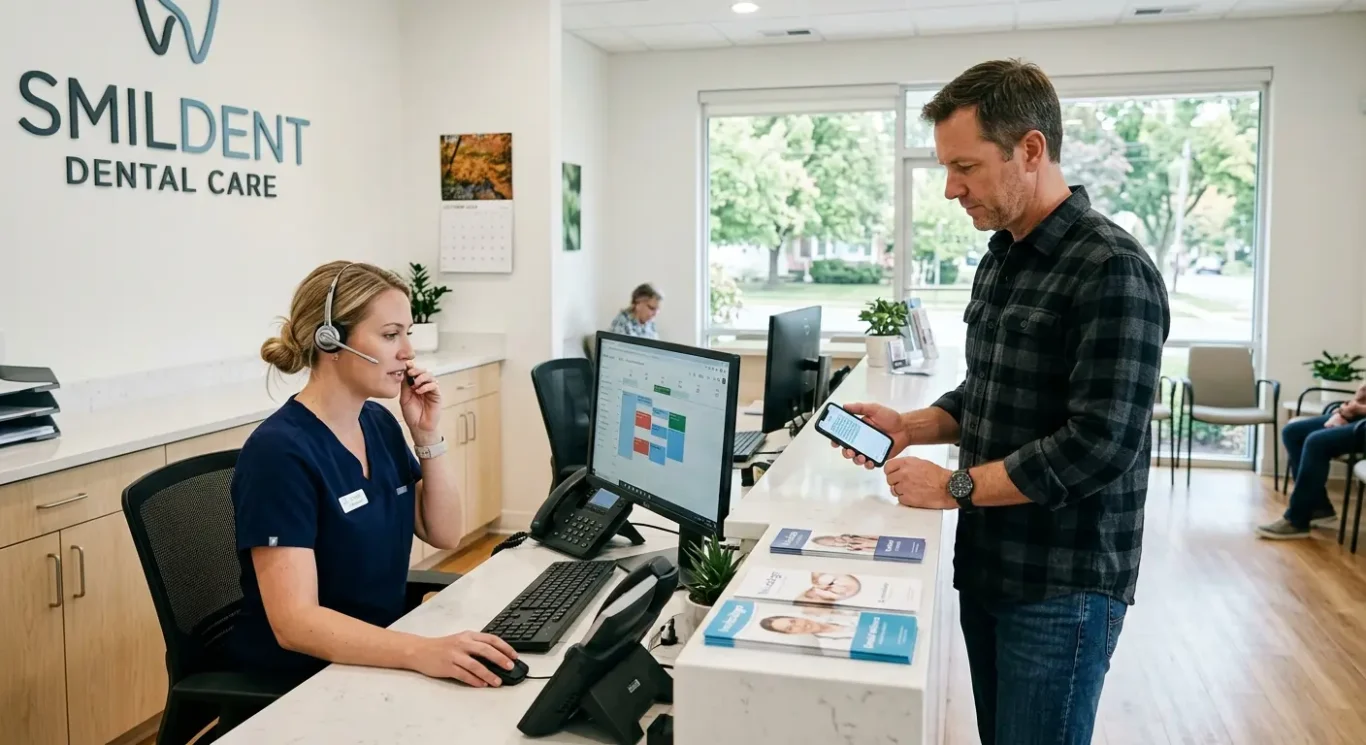
Outsourcing recare calls vs relying on reminders
Reminders can go out exactly when they should and a schedule can still have open holes, because sending a message is not the same as getting a patient to commit to an appointment. For many practices, that is where the decision gets practical fast: is the current reminder process enough, or does consistent recare outreach by a real person add follow-through that the front desk does not have time to handle every day?
This comparison looks at the administrative side of that choice – what reminders do well, where they tend to stop, and how outsourced recare calls support steadier patient follow-up over time. It stays focused on workflow, consistency, and the value of human contact in a busy office, because most teams already know how this goes when the phones start ringing at 8:00 a.m.
What reminder-based recare follow-up actually handles well
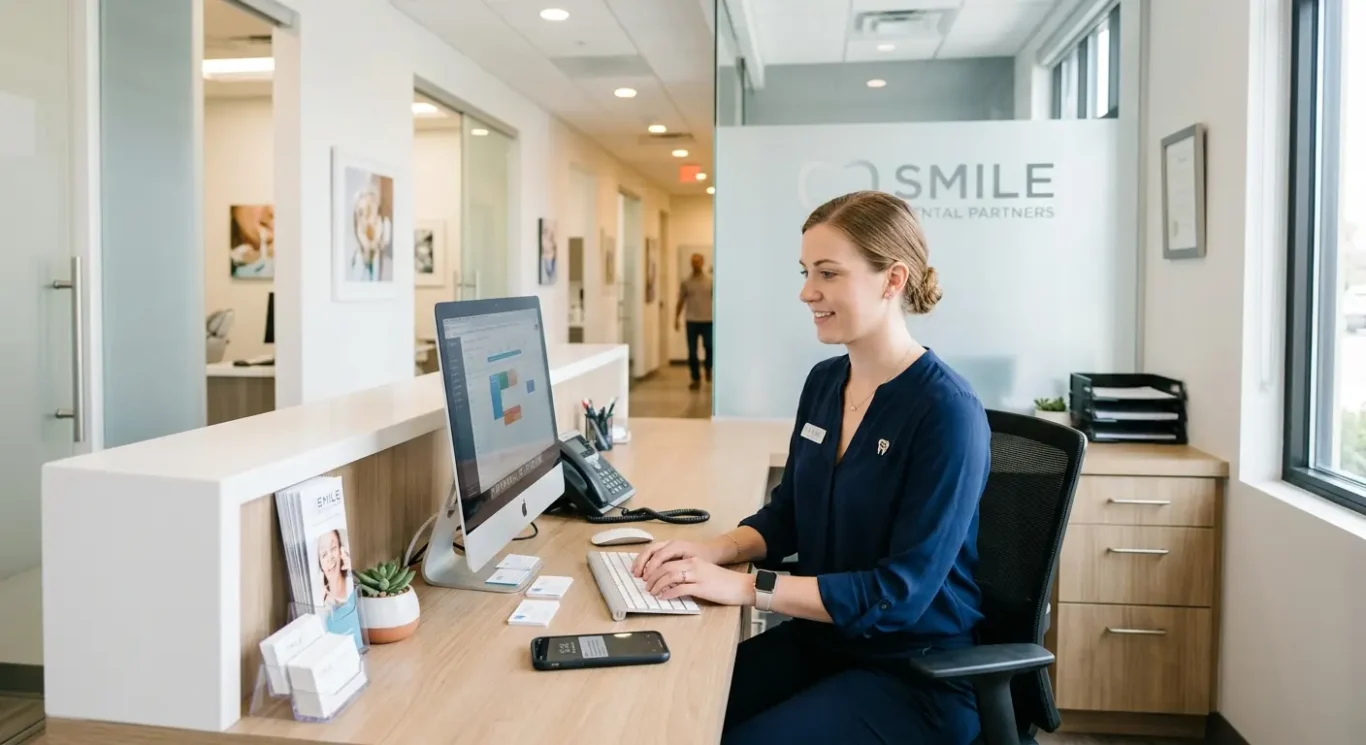
Reminders are useful for routine outreach, especially when the front desk needs a simple, low-touch way to keep communication moving.
Most practices already use reminders for the parts of recare follow-up that are straightforward, such as appointment confirmations, basic recall notices, and simple prompts that let patients know it is time to schedule.
That matters because reminders keep routine communication from depending on whoever has a free minute at the front desk. When the day gets packed with check-ins, calls, and insurance questions, those basic touches can still go out on time instead of getting pushed to the next week.
Sending a message is not the same as working a list
A reminder sends information. Actively working a recare list means reviewing who is due, noticing who did not respond, deciding who needs another contact, and following through until someone either schedules or is marked for later outreach.
That is why reminders support communication but do not replace follow-up work. They help an office stay consistent with routine outreach, but they do not handle the ongoing effort needed when a patient ignores the first notice, has a question, or simply needs a real conversation before committing to an appointment.
Where reminders stop short in real dental office workflows
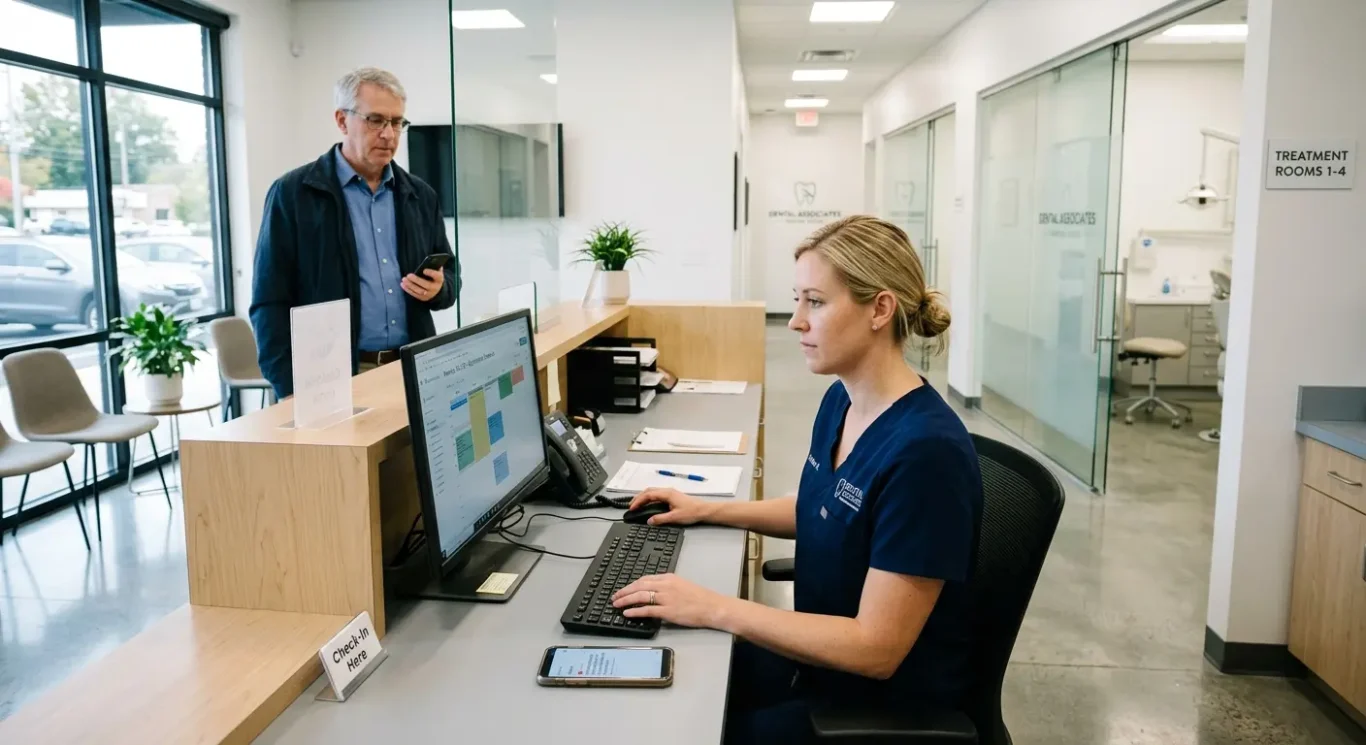
Reminder-only outreach helps with routine contact, but it does not keep working the patients who do not respond right away.
Some patients schedule as soon as they get a reminder. Others ignore it, miss it, read it and plan to deal with it later, or mean to call back and never do. The gap shows up when the message goes out on time but the patient still stays unscheduled.
One-way contact has a hard stop
A reminder can prompt action, but it usually does not answer the small questions that keep people from booking. If a patient is unsure about timing, wants a different day, hesitates because of cost, or simply needs help finding a workable slot, one-way outreach does not move that conversation forward.
That is where recare lists start to age. When no one clearly owns the follow-up process, due patients remain on a report instead of turning into scheduled appointments. The list gets longer, older names stay on it, and outreach becomes something the team means to return to when the day calms down.
The front desk still has to close the loop
In most offices, reminders do their part, but unscheduled patients still need personal attention after the message is sent. That follow-through competes with check-ins, incoming calls, treatment questions, insurance issues, and the rest of the day, so recare work often becomes inconsistent even when the reminder process itself is running.

What outsourced recare calls add that reminders do not
A live call creates a real conversation and keeps follow-up moving after reminders are ignored.
When a patient does not act on a reminder, a live call gives the office another chance to reach them in a way that is harder to overlook. It also gives someone the ability to ask a simple question, listen to the response, and help move the patient toward scheduling instead of waiting for them to call back later.
Two-way contact handles everyday scheduling issues
Many delays are administrative, not clinical. Patients may need help finding a workable time, confirming whether they are due for a visit based on the office schedule, or understanding what happens next if they are not ready to book today. A live caller can address those basic questions, note the reason for delay, and route any clinical questions back to the practice instead of drifting into treatment discussion.
Consistency comes from owning the follow-up list
Organized recare calling also means the list keeps getting worked over time rather than starting over whenever the front desk has a spare hour. Patients who did not answer, asked to be contacted later, or were not ready to schedule can be tracked for the next follow-up so outreach stays active instead of becoming a one-time push.
That matters for busy offices because repeated follow-up is where recare often breaks down internally. Having non-clinical outreach handled outside the front desk reduces the need to fit those calls between check-ins, phones, and insurance tasks while still keeping the process active.
Human contact matters most when the patient is unsure or disengaged
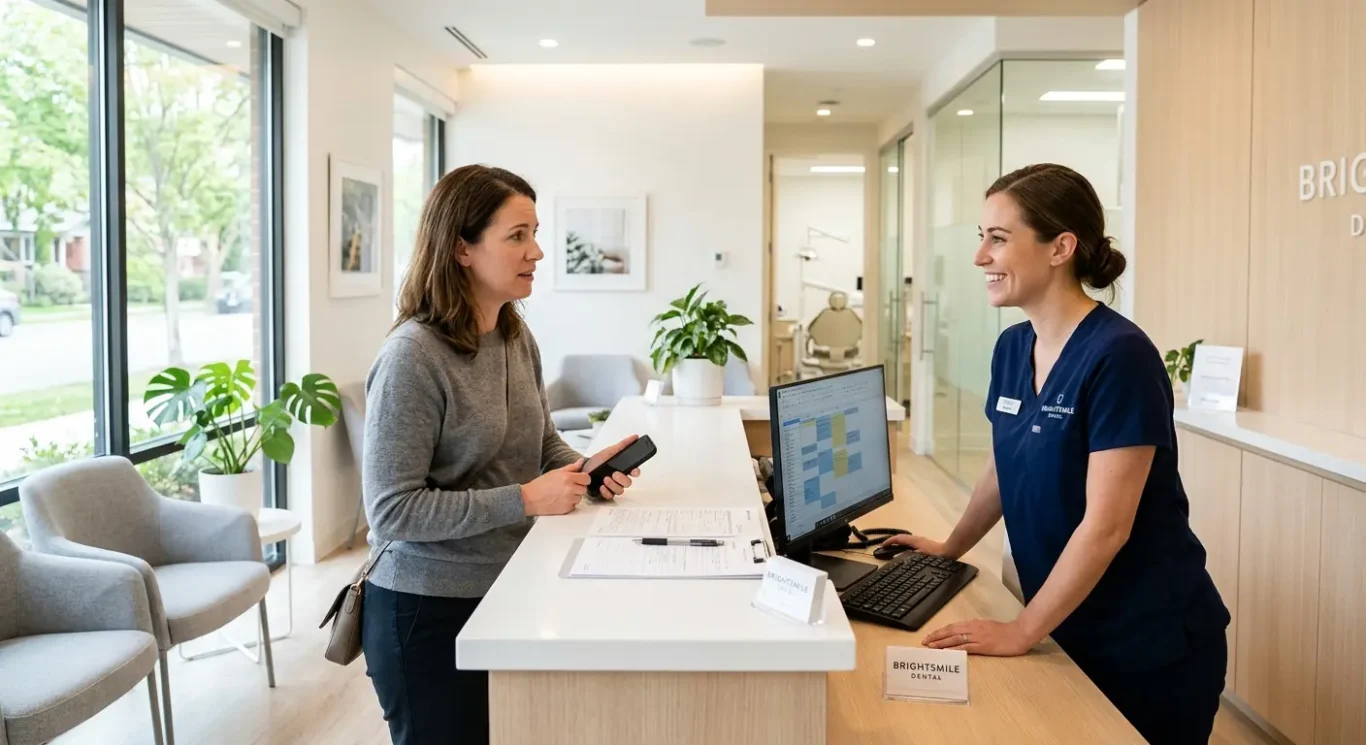
Reminders can get attention, but many patients still need a short conversation before they are ready to choose a time.
Offices see this every day. A patient reads the message, means to respond, then puts it off because the timing is bad, they are worried about cost, they want to ask about insurance, or they simply do not want to deal with scheduling right then.
Seeing a message is not the same as making a decision
A reminder only tells the office that the patient was contacted. It does not explain whether the patient is comparing dates, waiting for a paycheck, unsure what their plan may cover, or just ignoring one more notification in a busy day.
A live call can turn passive intent into action because someone can answer a basic scheduling question, offer available times, or note that the patient wants to be contacted later. That does not mean every call ends with an appointment, but it does give the office a better chance to move the patient forward instead of leaving the next step up to them.
Insurance questions need extra care. If a patient asks what their plan covers or what they may owe, that may require verification before giving a clear answer, and offices should handle those conversations carefully and confirm details through their normal insurance process.
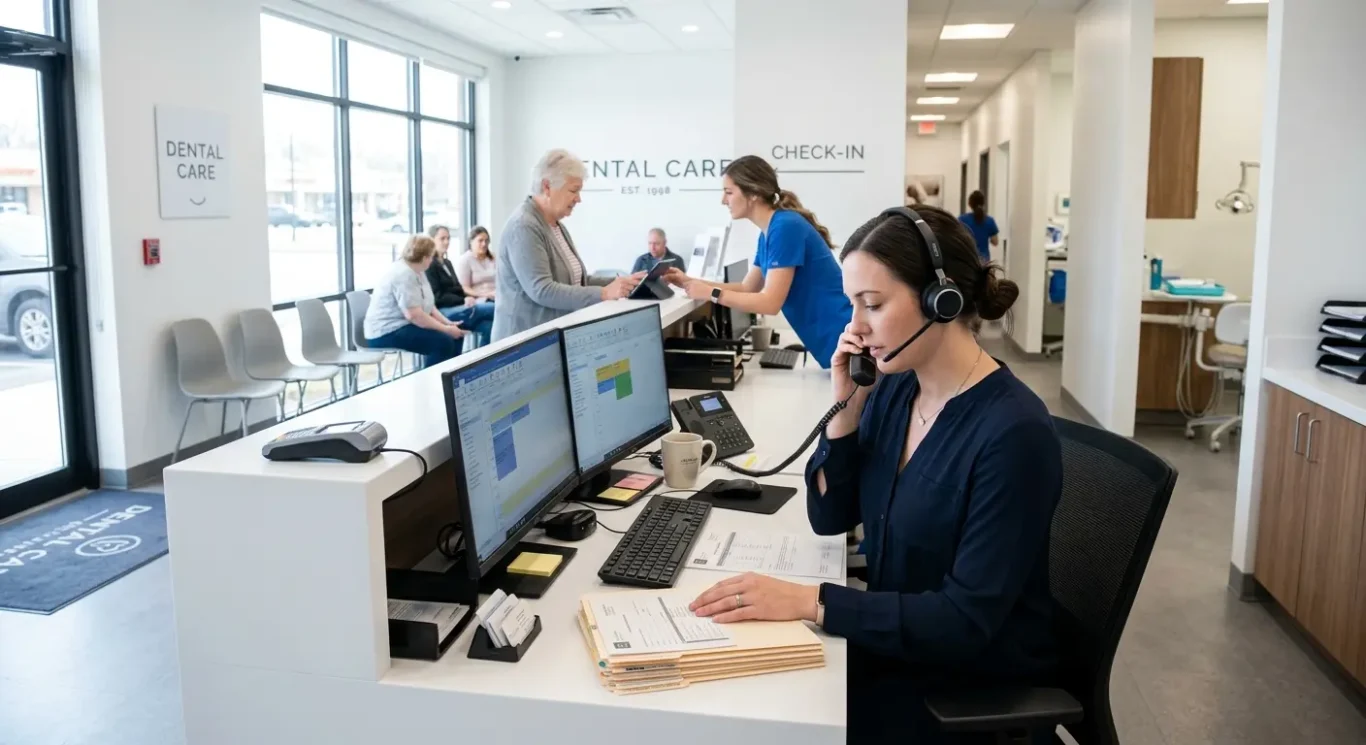
Consistency over time is usually the deciding factor
The real difference is whether follow-up keeps happening week after week, even when the office gets pulled in other directions.
Recare work usually slips for a simple reason: it depends on spare time that rarely stays available for long. Front desk teams are handling check-ins, phones, schedule changes, insurance questions, and patient balances, so follow-up for overdue or unscheduled patients often gets pushed until the schedule calms down.
A defined process keeps the list from going stale
When outreach follows a set process, the office is not starting from scratch each time someone has a free hour. Patients who did not answer, asked for a later call, or were not ready to book can stay on an active follow-up list with the next step documented, which gives the practice a clearer view of what is pending instead of relying on memory.
Outsourced support can help keep that work moving during busy periods, staff turnover, or schedule changes because the outreach does not stop when in-house priorities shift for the week. That does not replace the office’s role in scheduling decisions or patient questions that need internal review, but it can reduce the starts and stops that make recare inconsistent.
Results still depend on what the office can support
Even with regular outreach, outcomes depend on the quality of the patient list, available appointment capacity, and whether patients are willing to respond and schedule. Practices should also make sure any patient communication process fits their own privacy and HIPAA procedures and confirm requirements with their advisor when needed.
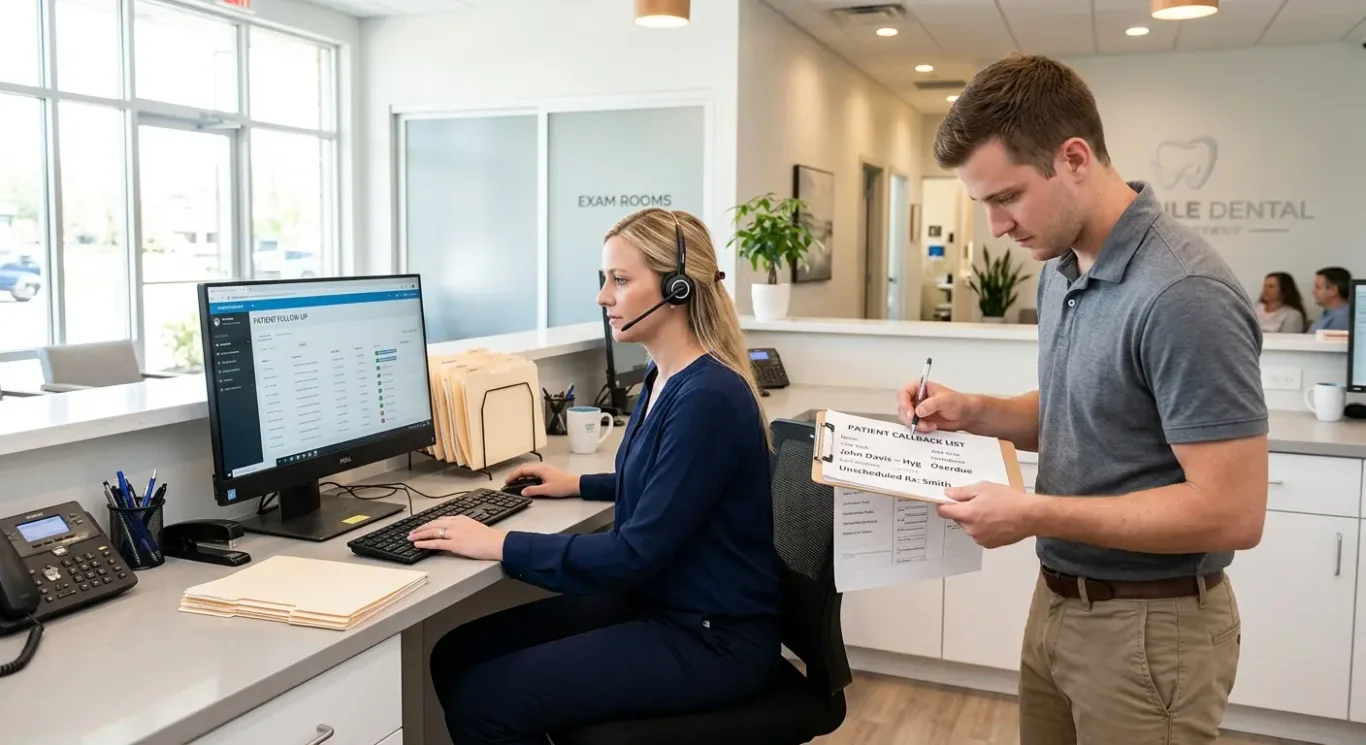
How to decide whether reminders alone are enough for your practice
Look at who owns the follow-up work, how often it actually happens, and what gets done when a patient does not respond.
Reminder-only follow-up may be enough if the office already works unscheduled and overdue patient lists on a consistent schedule, documents each contact attempt, and has enough staff time to keep that process moving even during busy weeks. In that setup, reminders are part of a larger workflow instead of the only step.
Signs the current process may need help
Additional recare support is worth considering when lists sit untouched, contact notes are incomplete, or follow-up depends on whoever has a few spare minutes at the front desk. The same is true when patients reply with scheduling questions, ask to be contacted later, or need a handoff that does not happen cleanly, because those gaps usually turn into missed appointments rather than completed outreach.
A practical review starts with a few basic questions: Who owns recare follow-up from start to finish? What is the contact cadence for patients who do not answer or are not ready to book? How are callbacks, patient questions, and requests for later contact handed back to the office, and who makes sure the next step actually happens?
Review privacy requirements before outsourcing
Before outsourcing any administrative function, including recare calls, practices should review their Health Insurance Portability and Accountability Act (HIPAA) and data-sharing requirements with their own advisor so the communication process fits the office’s privacy procedures and vendor standards.
Questions We Hear From Every Practice
Words from the Dental Billing Experts
A common problem in dental offices is not the reminder itself but what happens after no one responds. In remote dental billing and administrative support work, it is often clear that follow-up breaks down when the overdue patient list is not reviewed on a regular basis, so names stay on the list without a real next step.
For practices deciding between outsourced recare calls and reminders alone, the practical call is this: reminders can support recare, but they are usually not enough when the office needs consistent person-to-person follow-up over time.