
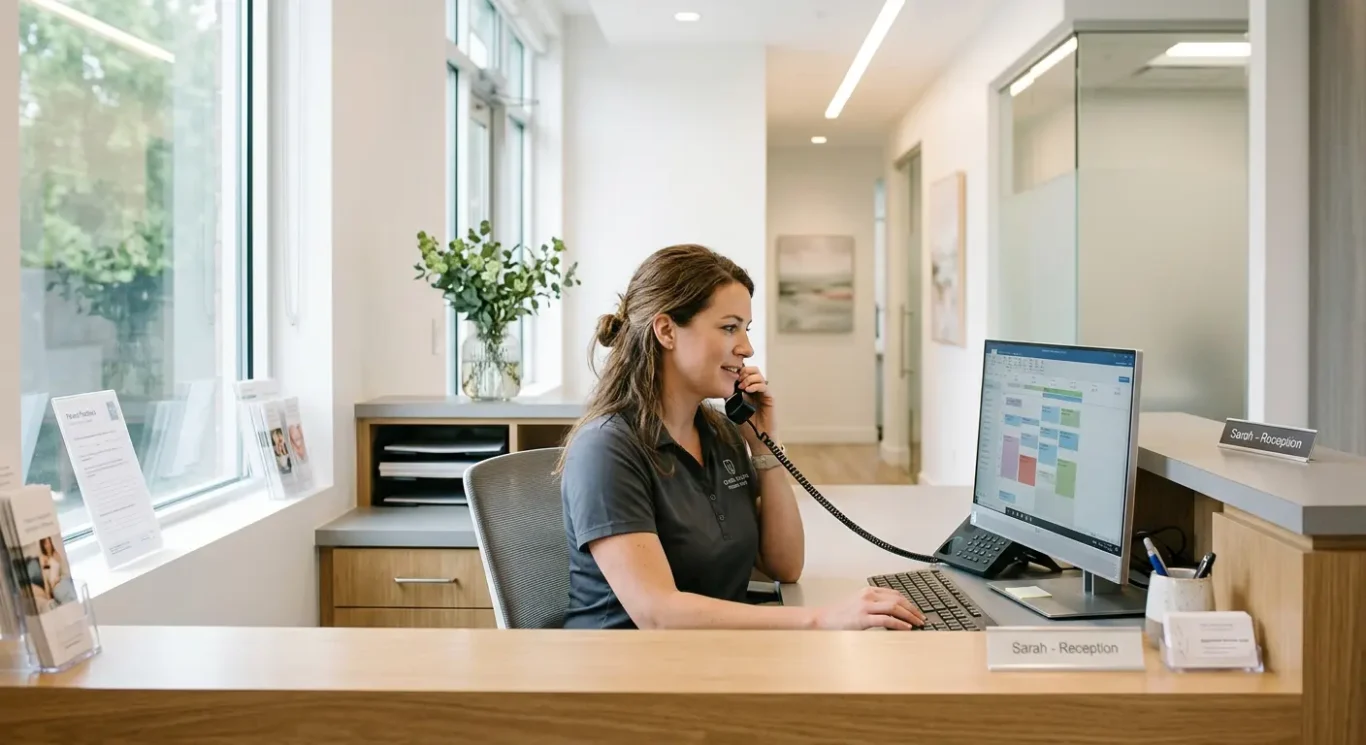
What recare calls are and why they matter
Plenty of dental offices see the same pattern: patients are due back, reminders go out, and the schedule still has holes. Recare is the non-clinical follow-up that helps bring patients back for hygiene visits, exams, and unfinished planned care by reaching out, checking in, and helping them get scheduled – because a text or email alone often does not move someone to act. It is simple work on paper, but in a busy office, it is easy for it to slide.
This article explains what recare calls actually do, why they still matter even when reminders are already in place, and how they affect patient follow-through and day-to-day schedule stability. If the front desk has ever felt like it sent plenty of reminders and still got weak response, that is usually where recare becomes clearer.
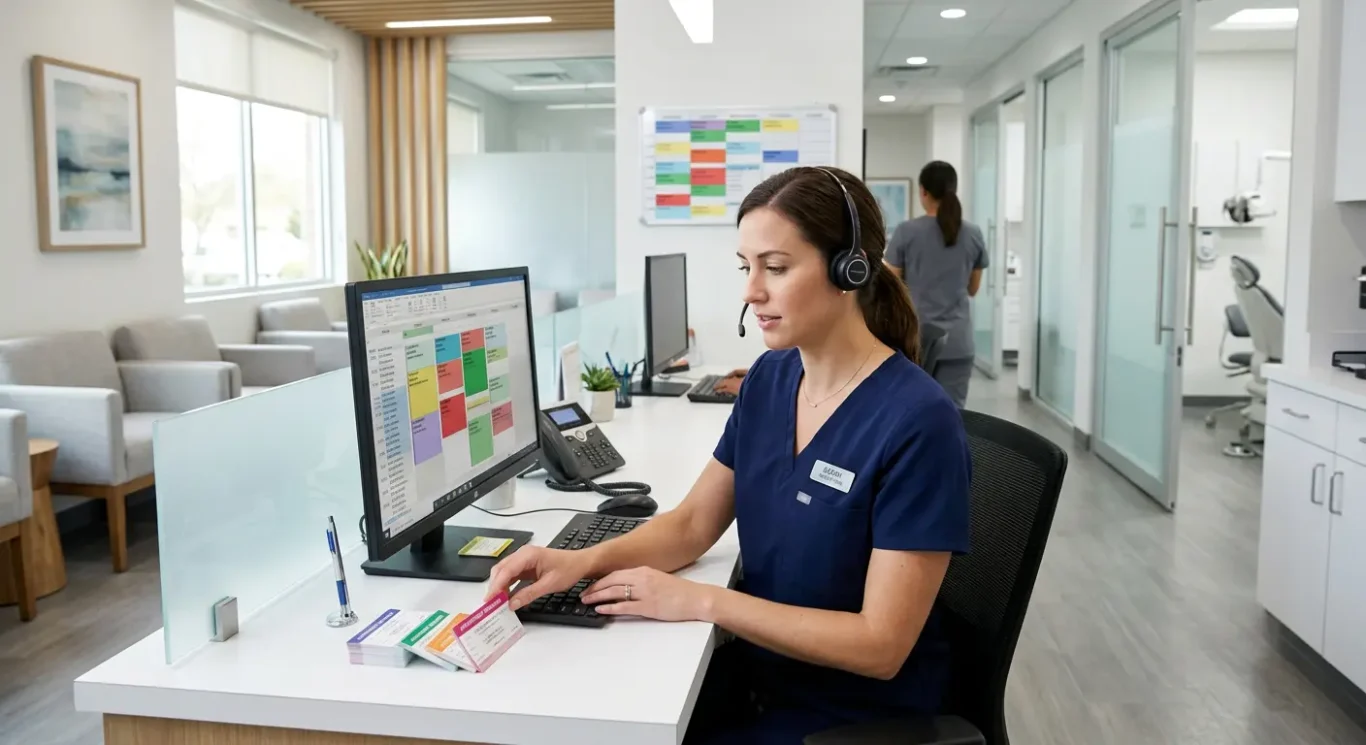
What recare means in a dental office
A simple way to think about it is ongoing administrative follow-up that helps patients return for scheduled hygiene, exams, and unfinished treatment.
Recare is the front office work of tracking who is due or overdue, reaching out more than once when needed, and helping those patients get back on the schedule. It covers return visits and incomplete planned care that was discussed but never booked, and it stays on the administrative side rather than the clinical side.
More than a reminder
A reminder message usually goes to a patient who already has an appointment or gets sent once when someone is due. Recare calls are different because they involve active follow-up over time, with a person checking status, answering basic scheduling questions, and trying again when the first contact does not lead to an appointment.
In day-to-day front desk work, this often shows up in three places: patients due for hygiene visits, patients overdue for periodic exams, and patients who left without scheduling recommended treatment. Some offices handle these lists weekly, some fold them into daily scheduling work, and some split them between team members.
That is why recare is best understood as an ongoing office process, not a single call, text, or email blast.
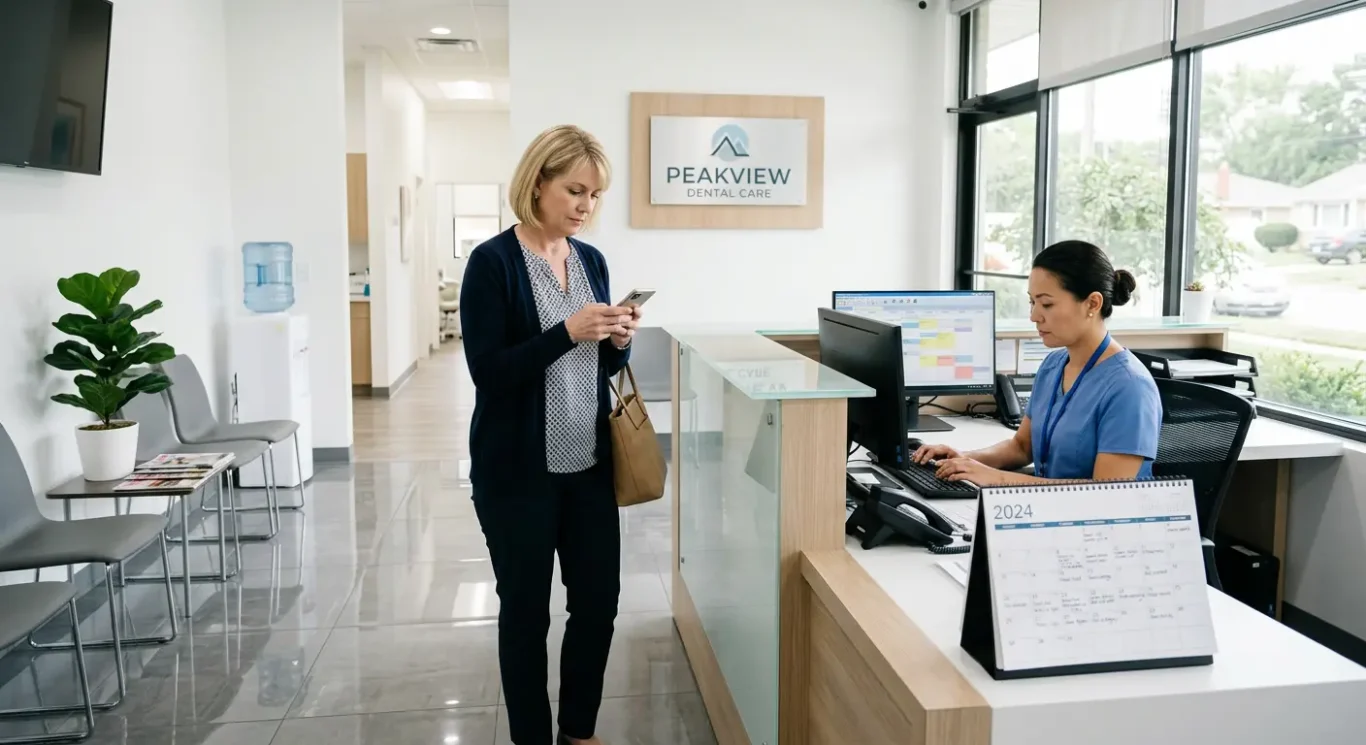
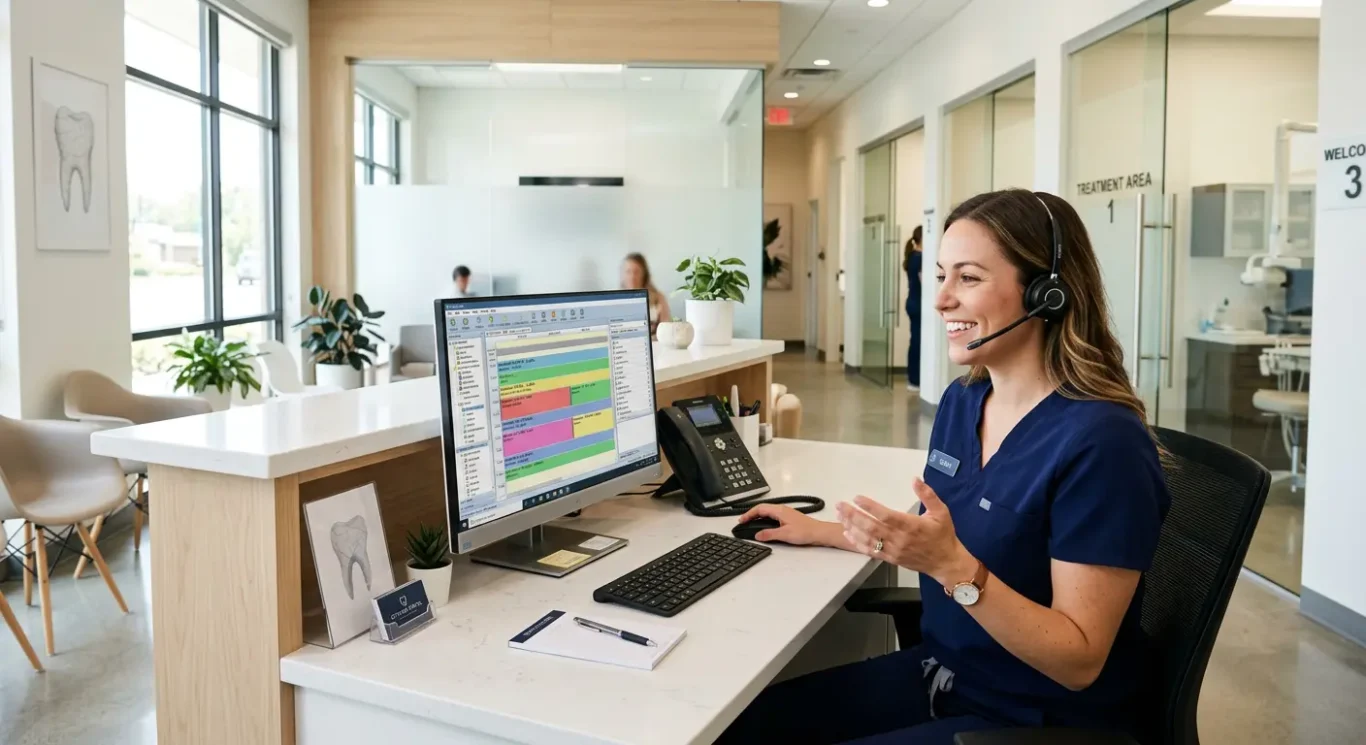
How recare calls improve patient follow-through
Personal contact gives patients a clear next step and makes it easier to get on the schedule.
When a staff member reaches a patient directly, the conversation can move from a general reminder to a specific scheduling decision. Instead of expecting the patient to remember later, the office can offer times, ask what works, and turn good intent into an actual appointment.
Small questions often delay scheduling
Many patients are not avoiding the office. They may just need to confirm morning or afternoon availability, check work or school conflicts, or ask whether they can schedule family members on the same day. A call gives the office a chance to handle those simple questions in real time so the patient does not leave the task unfinished.
Consistent follow-up also matters because due and overdue patients tend to slip further out when no one checks back in. A patient who does not respond this week may still schedule later if the office follows up again in a steady, organized way.
Not every patient will book, and some will still wait, decline, or stay unresponsive. The value of recare calls is that they create more chances for action than a one-time reminder alone, while keeping the office connected to patients who might otherwise drift off the schedule.
What a good recare call process looks like
The goal is a simple, repeatable system that busy offices can keep up with.
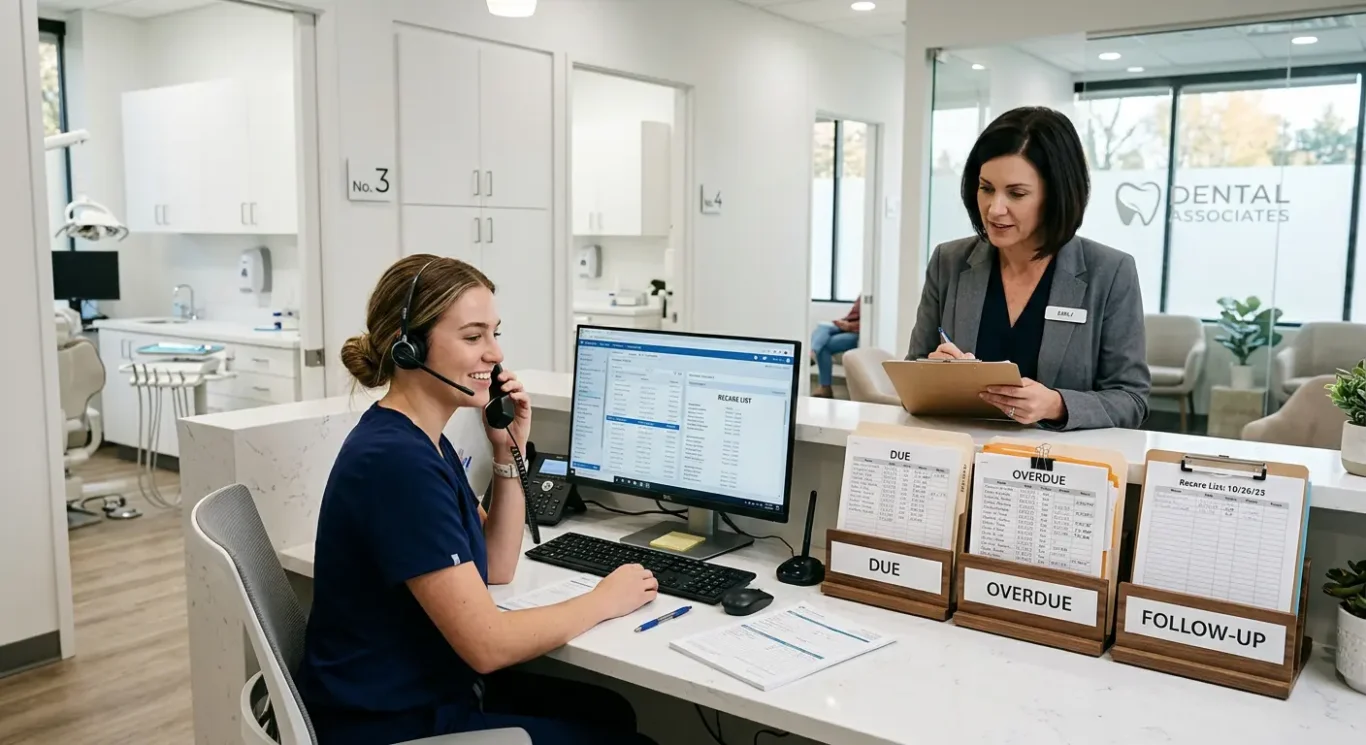
A workable process starts with an up-to-date recare list that separates patients into clear groups such as due, overdue, and unscheduled treatment follow-up. That keeps staff from using the same message for everyone and helps the office decide who needs a reminder, who needs a call, and who may need another check-in later.
Keep notes short enough to use
Call notes do not need to be long. They just need to show what happened, what the patient said, and what the next step is, so the next staff member does not have to guess or start over.
Most offices also need more than one outreach attempt when a patient does not respond the first time. Follow-up can stay respectful by spacing contacts reasonably, using a consistent script or call approach, and keeping the tone helpful instead of pushy.
A good script is not a sales pitch. It gives staff a natural way to confirm why the patient is being contacted, ask whether they want to schedule, and handle common questions without each caller making up the wording as they go.

Why recare affects more than the hygiene schedule
When follow-up is inconsistent, it shows up in scheduling pressure, front desk workload, and day-to-day production flow.
Patients who do not return when they are due leave openings that often get noticed too late, which pushes the team into more last-minute filling and more time spent working call lists between other tasks.
Return visits help the day run more predictably
When patients come back on a regular basis, the office has a steadier pattern for scheduling, confirming appointments, and managing the day. When too many people drift off the schedule, the team ends up reacting instead of following a plan, and that can affect how smoothly the front desk, providers, and billing side stay aligned.
Follow-through supports financial consistency
Stronger patient follow-through can also support steadier production and collections because completed appointments create fewer gaps in the schedule and fewer missed chances to keep planned work moving. That does not mean every patient schedules right away, but consistent recare outreach gives the practice more control over follow-up than waiting for patients to remember on their own.
It also reduces pressure on the front desk when outreach is handled in a consistent way, because staff are not repeatedly starting from scratch, searching old notes, or trying to squeeze callback work into the busiest parts of the day.
Where recare usually breaks down inside the office
The problem is usually competing priorities, not a lack of effort.
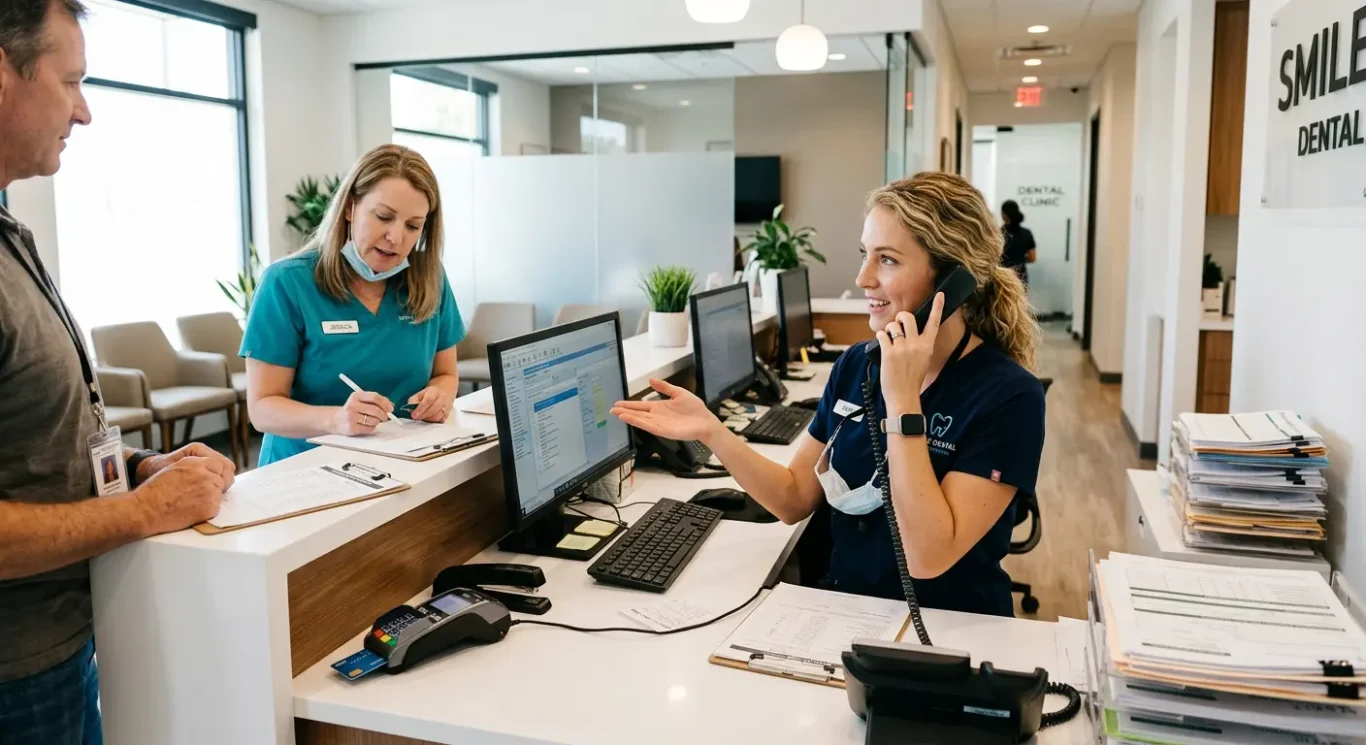
At most practices, the front desk is handling phones, check-in, check-out, insurance questions, and patient billing at the same time, so recare work often gets pushed aside by whatever is urgent in that moment.
Same-day work usually wins
That does not mean the team ignores recare or thinks it is unimportant. It means same-day problems are louder. A patient at the window, a schedule change, or a benefits question needs attention right away, while follow-up calls can feel easier to delay until later.
Ownership gets blurry
Recare also slips when no one clearly owns it from start to finish. One person may start a list, another may leave a note, and someone else may assume the patient was already contacted. That is how patients get missed completely or contacted only after they are well past due.
A consistent process matters more than good intentions because it turns follow-up into a routine task instead of a spare-time task. When the office has clear timing, clear handoffs, and simple documentation, recare is less likely to depend on memory, guesswork, or whoever happens to have a free minute.
What to consider if recare support is handled outside the office
Look closely at the process before deciding whether outside follow-up is a practical fit.
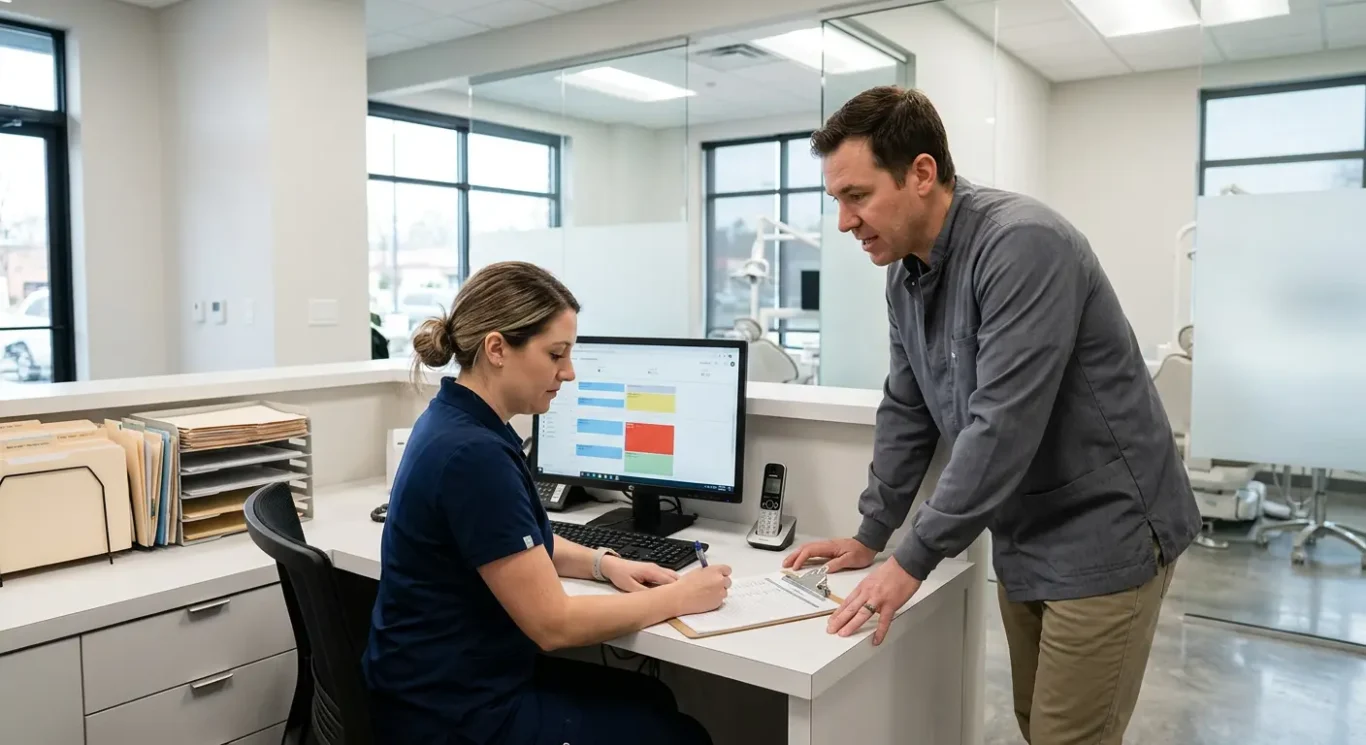
Recare support can be handled as an administrative service when the practice has clear patient lists, clear timing for follow-up, and a simple process for handing updates back to the office. Outside help may make sense when internal staff do not have consistent time to work those lists without falling behind on phones, check-in, and other same-day duties.
Clarity matters more than extra effort
The practice should know exactly who is contacting patients, what they are saying, and how each call outcome is documented. That includes basic items like callback notes, scheduled appointments, wrong numbers, patients who decline, and patients who ask to be contacted later.
Review data sharing carefully
Any outside recare arrangement also raises questions about access to patient information and how that information is shared. HIPAA-related questions and data-sharing practices should be reviewed with the practice’s own advisor before setting up any outside support.
When those basics are not defined upfront, follow-up can become harder to track than if the work had stayed in-house. A workable setup depends less on where the calls happen and more on whether the office can see what was done, what still needs action, and what should happen next.
Questions We Hear From Every Practice
Words from the Dental Billing Experts
A common problem in busy offices is that follow-up depends on memory, so patients who asked to be contacted later never make it back onto the call list. In outsourced dental billing and administrative support, this comes up often because missed follow-up usually starts as a small front desk gap, not a bigger scheduling issue.
The practical judgment call is simple: if your office is only sending reminders, you probably do not have a real recare process. Recare matters when someone is responsible for personal follow-up, documenting the response, and moving the next step back into the office workflow.